
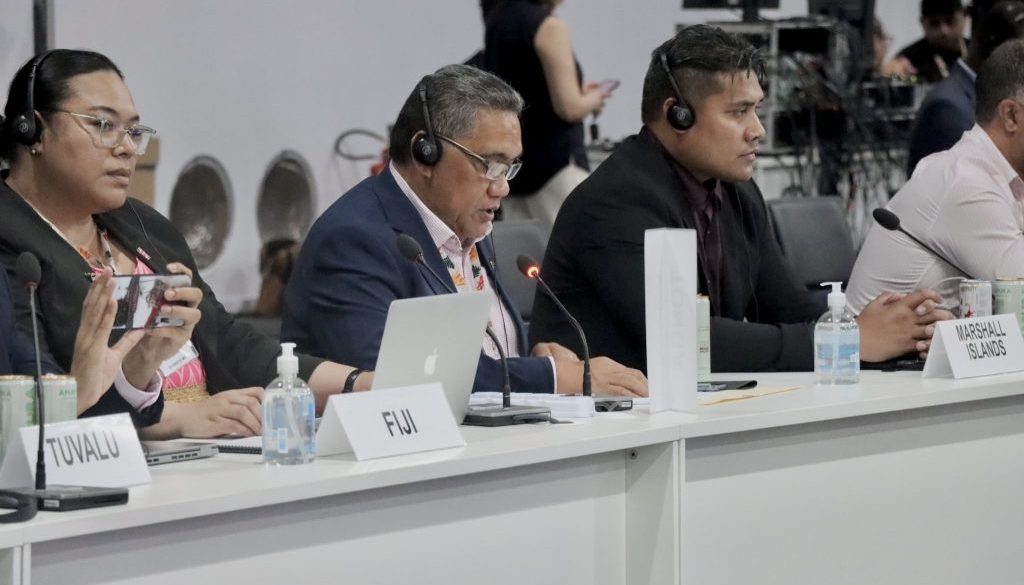
Tonga Underscores the Urgent Need for Accessible and Predictable Climate Finance at High-Level Ministerial Dialogue
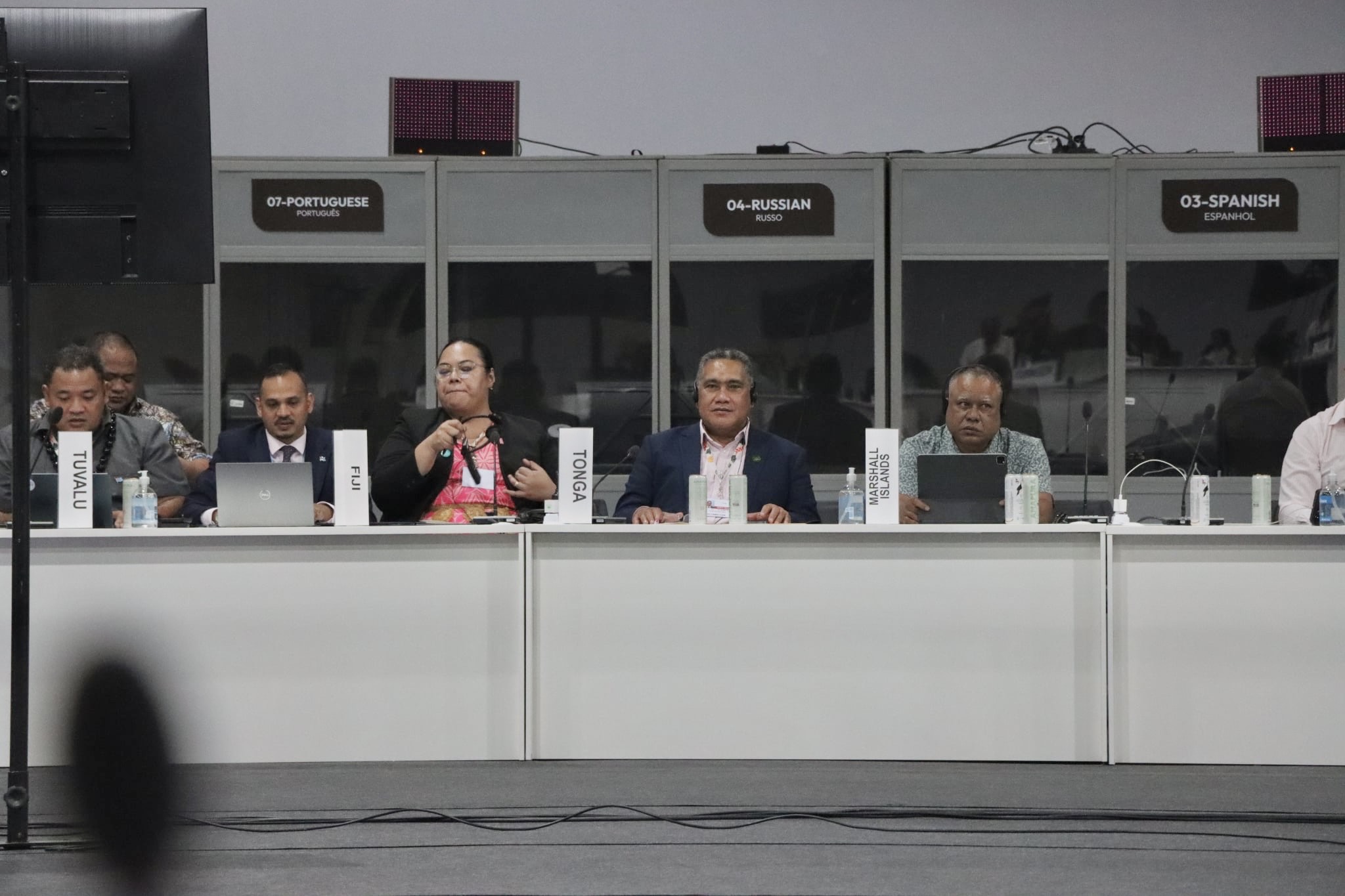
Belém, Brazil — 15 November 2025 — The Kingdom of Tonga, represented by the Head of Tonga’s Delegation, Mr. Paula Pouvalu Ma‘u, delivered a strong and principled statement at the Third High-level Ministerial Dialogue on Climate Finance under the CMA Mandate, reinforcing the urgent need for scaled-up, predictable, and simplified climate finance for Small Island Developing States (SIDS).
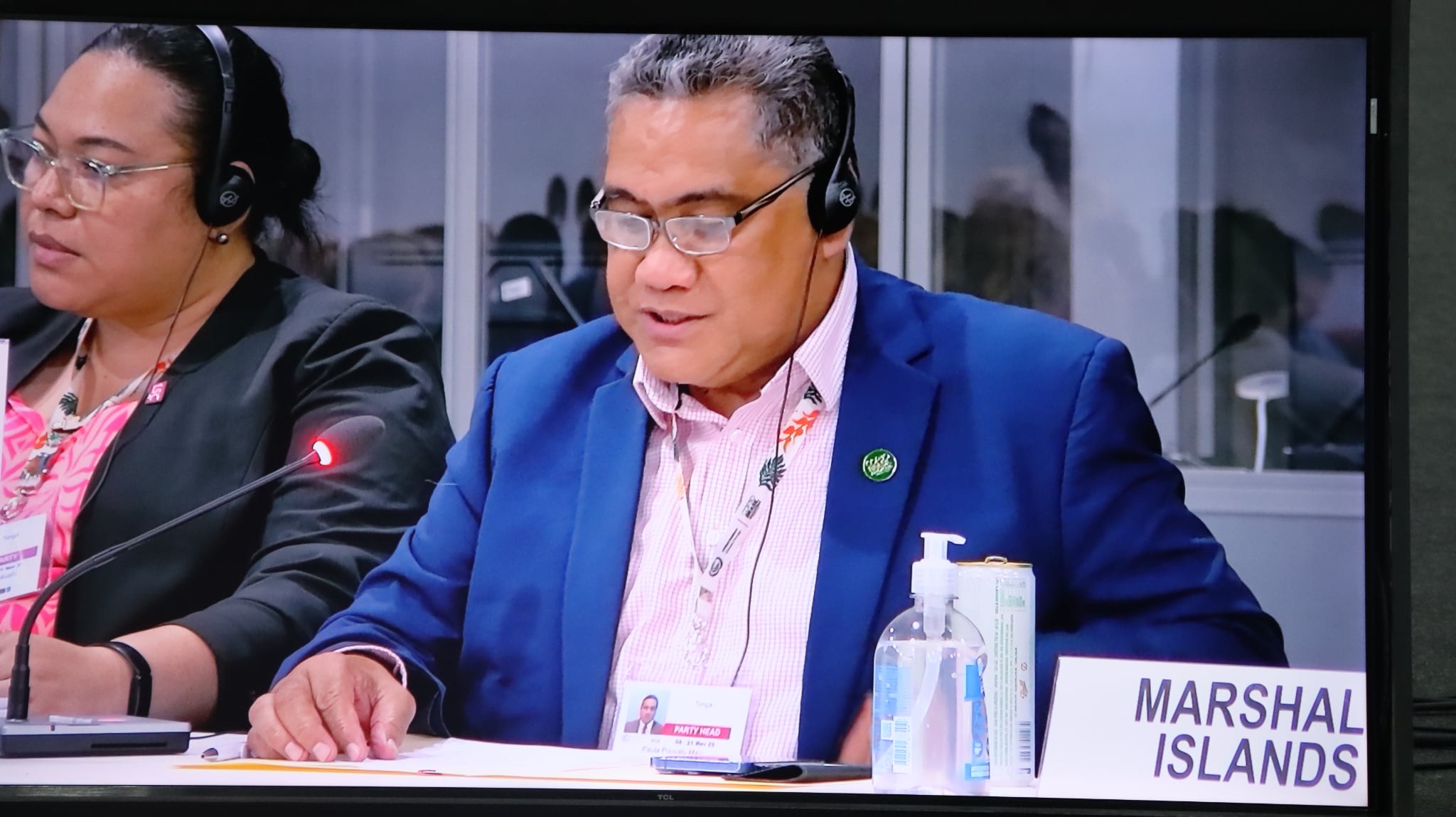
Speaking in support of the Pacific’s high-level political champion on climate finance, the Honorable Minister of Environment and Climate Change of Fiji, Mr. Ma‘u highlighted the persistent challenges SIDS face in accessing resources despite being on the frontlines of climate impacts. He reaffirmed Tonga’s commitment to collective regional positions and emphasized four key priorities for the international community.
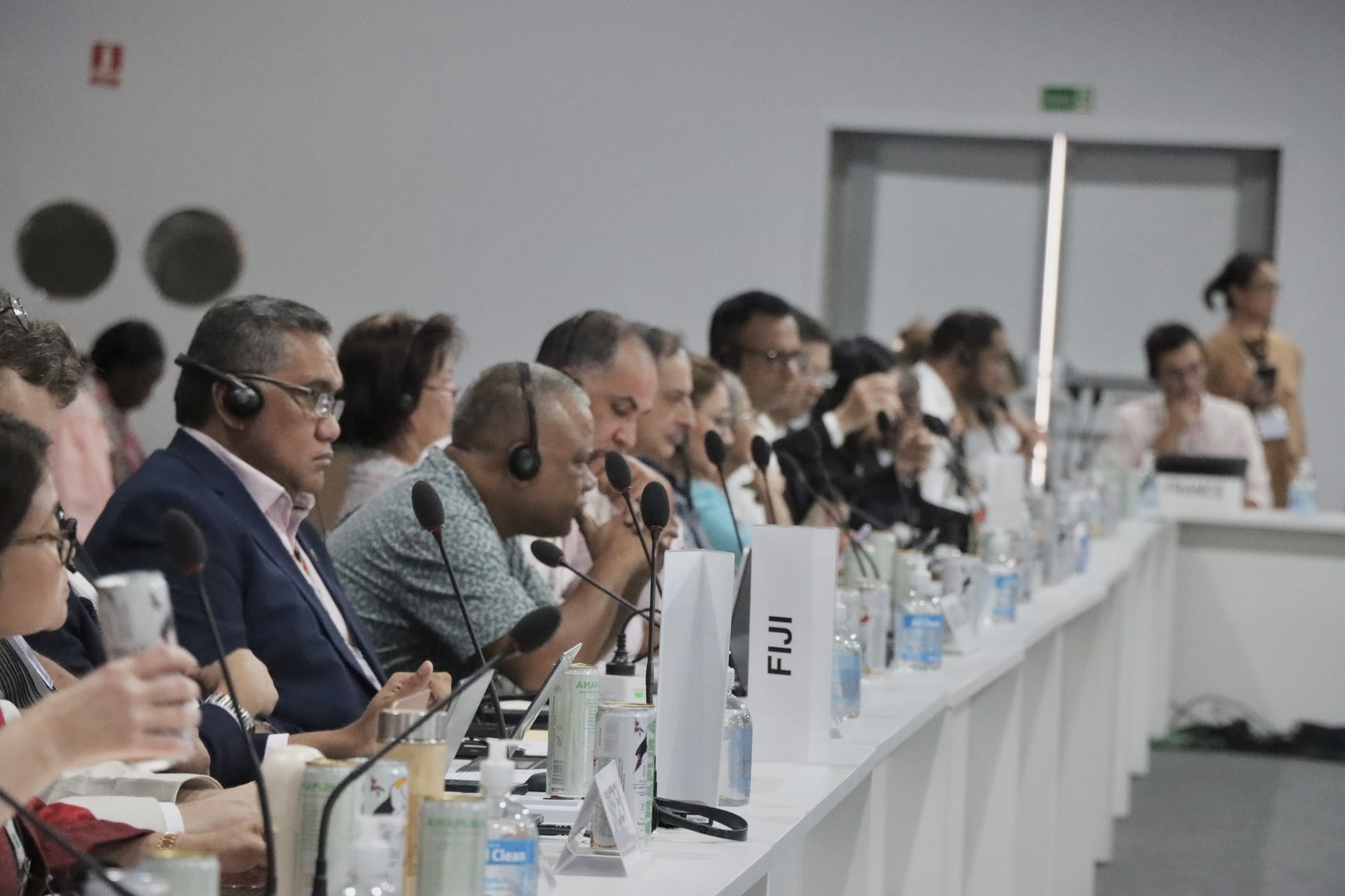
Tonga welcomed the launch of the Baku to Belém Roadmap but expressed concern over its strong emphasis on private finance. Mr. Ma‘u reiterated that blended finance has shown limited effectiveness in mobilizing capital at the speed and scale required, a challenge recognized at the Fourth International Conference on Financing for Development. With public climate finance in decline, Tonga stressed the need for renewed prioritization of grant-based financing to support countries with severely constrained fiscal space.
Tonga also commended the adoption of the Multidimensional Vulnerability Index (MVI) by the UN General Assembly, urging multilateral development banks and climate finance entities to integrate the MVI into their eligibility and allocation frameworks. Mr. Ma‘u underscored that the MVI offers a more accurate reflection of Tonga’s vulnerabilities than income-based metrics and should be embedded within the Baku to Belém Roadmap and the broader international financial architecture.
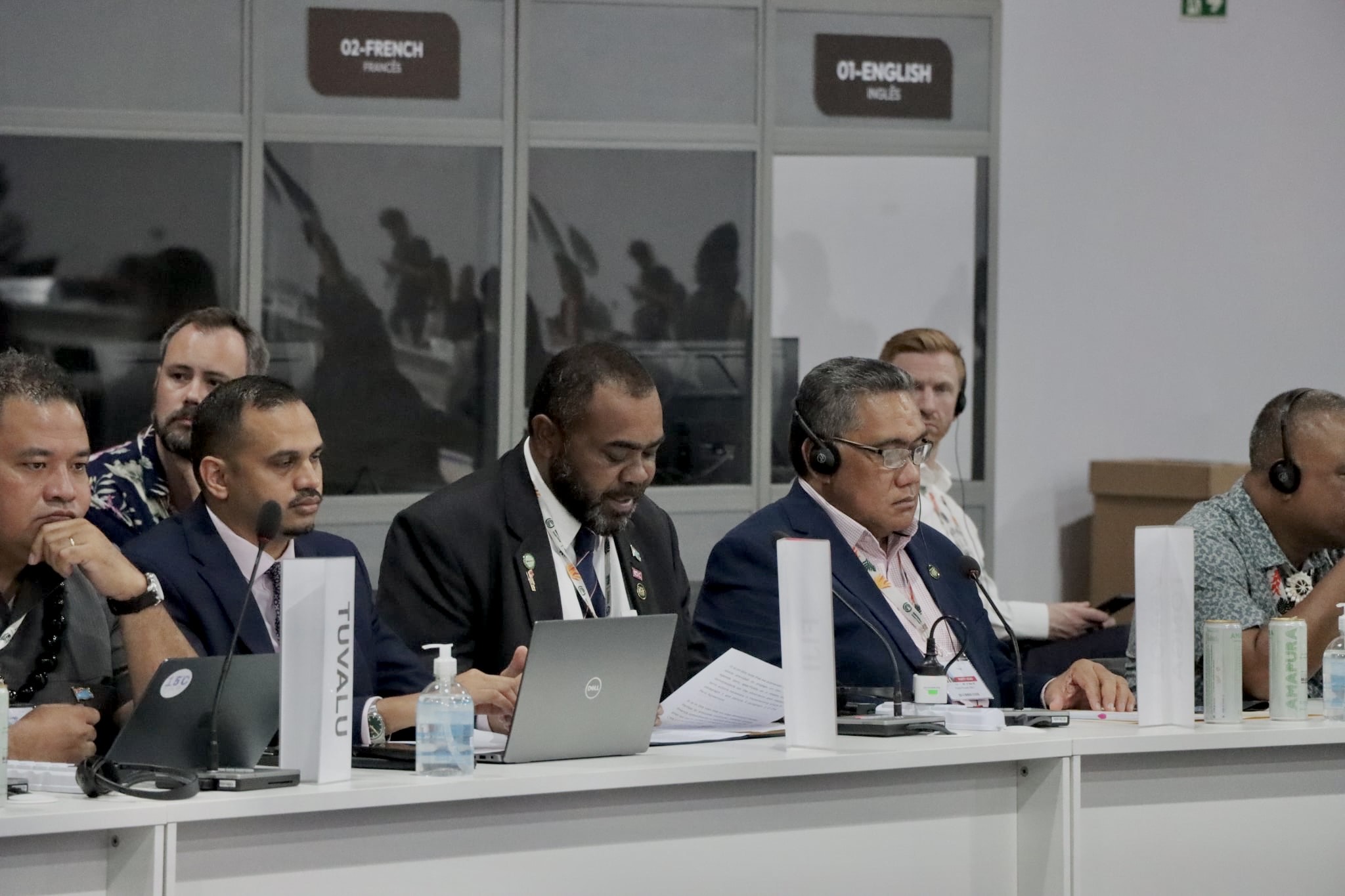
In addition, Tonga called for deeper reforms across multilateral climate funds to remove persistent access barriers. Lengthy accreditation processes, inconsistent due-diligence requirements, and limited coordination among climate finance institutions continue to hinder SIDS’ ability to access urgently needed funding. Mr. Ma‘u urged all multilateral actors to strengthen coherence and efficiency to improve the flow of climate finance.
On loss and damage, Tonga stressed the importance of developing financial instruments that extend beyond slow-onset impacts. Mr. Ma‘u emphasized the urgent need for predictable, fast-disbursing, and pre-arranged financing to address extreme weather events for which a formal project cycle cannot serve the same purpose.
Tonga reaffirmed its commitment to working collaboratively with regional partners and the international community to advance a more just, responsive, and effective global climate finance system.