
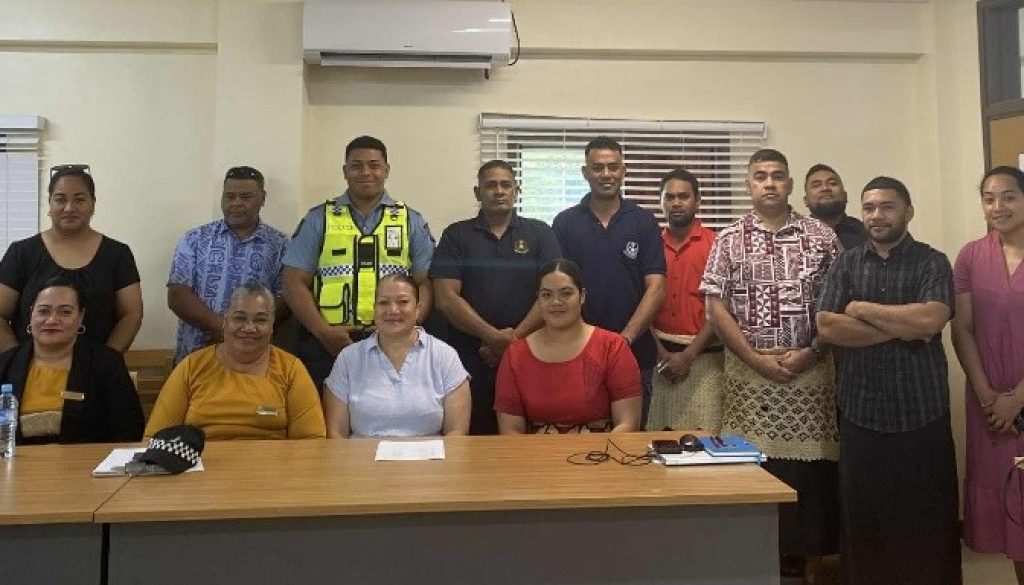
Four – Day Annual Refresher Training and Awareness Workshops Held in Vava’u
Meidecc Conference Room, Vava’u
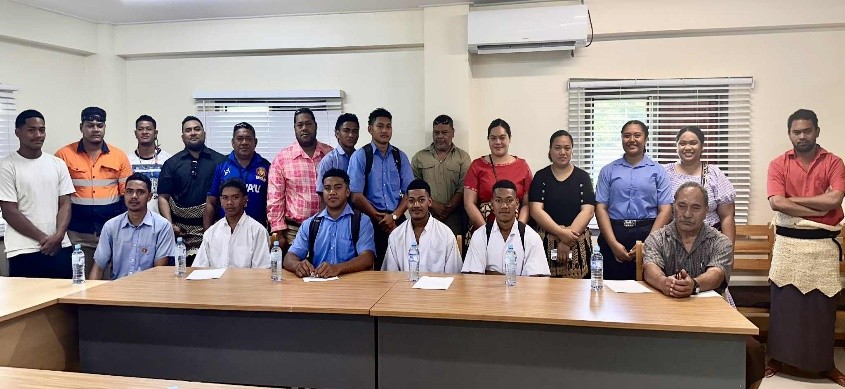
The National Ozone Unit, under the Department of Climate Change, successfully conducted the Annual Refresher Training for Customs and Brokers on Montreal Protocol Obligations from 14th – 17th October 2025 in Vava’u. The four – day program brought together customs officer, brokers, enforcement agencies, refrigeration and air – conditioning (RAC) technicians, and representatives from technical and vocational education and training (TVET) institutions. The training aimed to strengthen national capacity in implementing Tonga’s commitments under the Montreal Protocol on Substances that Deplete the Ozone Layer and its Kigali Amendment.
The first day of the training focused on the Kigali Amendment and relevant national legislation that governs control and phase-down of HFCs. Mr.Chris from the ODS Division led technical presentations outlining Tonga’s current obligations, licensing systems, and the importance of monitoring imports to prevent illegal trade of controlled substances. Mr. Sau Niulala also delivered an insightful presentation on the roles and responsibilities of customs officers and brokers, emphasizing collaboration between border agencies and environmental authorities to ensure effective enforcement and compliance.
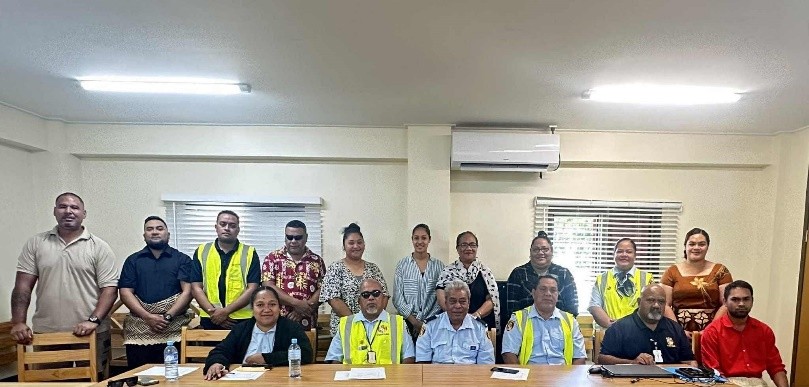
The second day featured an Enforcement Officers Awareness Workshop, which brought together officers from the police and the other border enforcement agencies. The workshop aimed to raise awareness and build practical skills for identifying ozone-depleting substances and HFCs, strengthen inter-agency coordination, and enhance enforcement strategies to prevent illegal trade. Participants engaged in interactive discussion and hands-on exercises to improve monitoring, inspection, and reporting practices.
On the third day, discussions focused on the Refrigeration Air Conditioning (RAC) Association and their key role in supporting the phase-down of HFCs. Sessions highlighted the importance of technician certification, proper refrigerant handling and transitioning to environmentally friendly alternatives. The RAC sector’s collaboration with customs and environmentally friendly alternatives. The RAC sector’s collaboration with customs and environmental authorities was identified as vital for ensuring compliance and promoting good servicing practices across the industry.
The final day centered on technicians and TVET institutions, with a specialized training session on good servicing practices for refrigeration and air conditioning systems. Participants received hands on training on safe handling of refrigerants, leak detection, recovery, and recordkeeping all essential practices for reducing emissions and safeguarding the ozone layer. The session also emphasized the importance of integrating good servicing standards into TVET curricula to ensure future technicians are equipped with the right skills and environmental awareness.
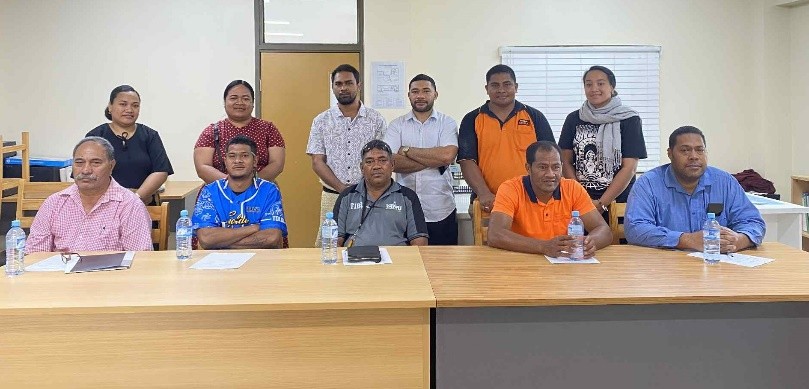
The four-day training and workshops provided an opportunity for all key stakeholders to share knowledge, strengthen coordination, and reaffirm Tonga’s commitment to meeting its obligations under the Montreal Protocol and its Kigali Amendment. Through capacity building and collaborative efforts, Tonga continues to contribute to global actions to protect the ozone layer and mitigate climate change.