
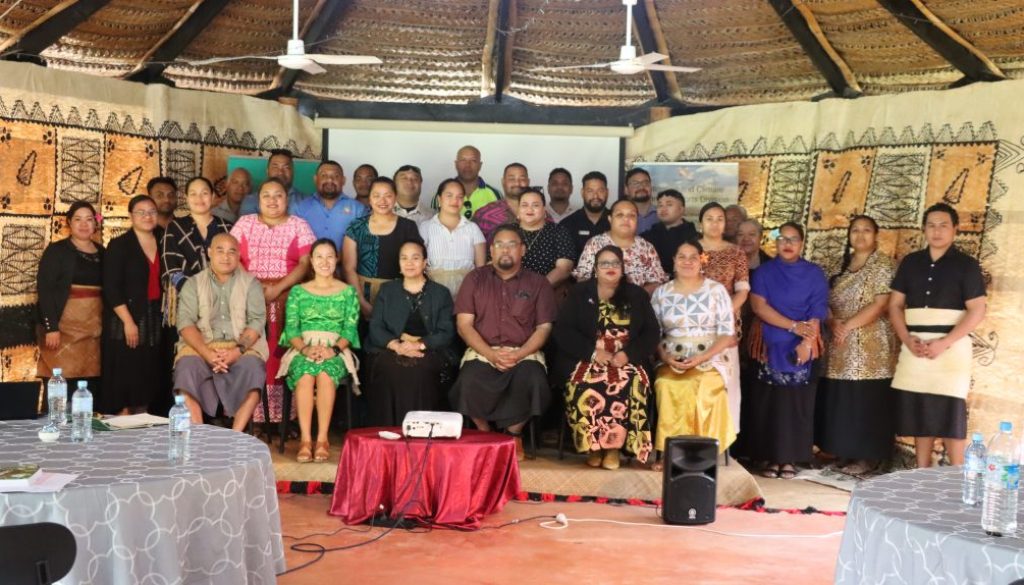
Tonga Launches Capacity Building Initiative for Transparency (CBIT) Project to Strengthen Climate Transparency and Reporting
The Government of Tonga, through the Department of Climate Change (DCC) under the Ministry of Meteorology, Energy, Information, Disaster Management, Environment, Climate Change and Communications (MEIDECC), successfully launched the Tonga Capacity Building Initiative for Transparency (CBIT) Project during its Inception Workshop held on Wednesday, 8 October 2025, at Ancient Tonga, Fangaloto.
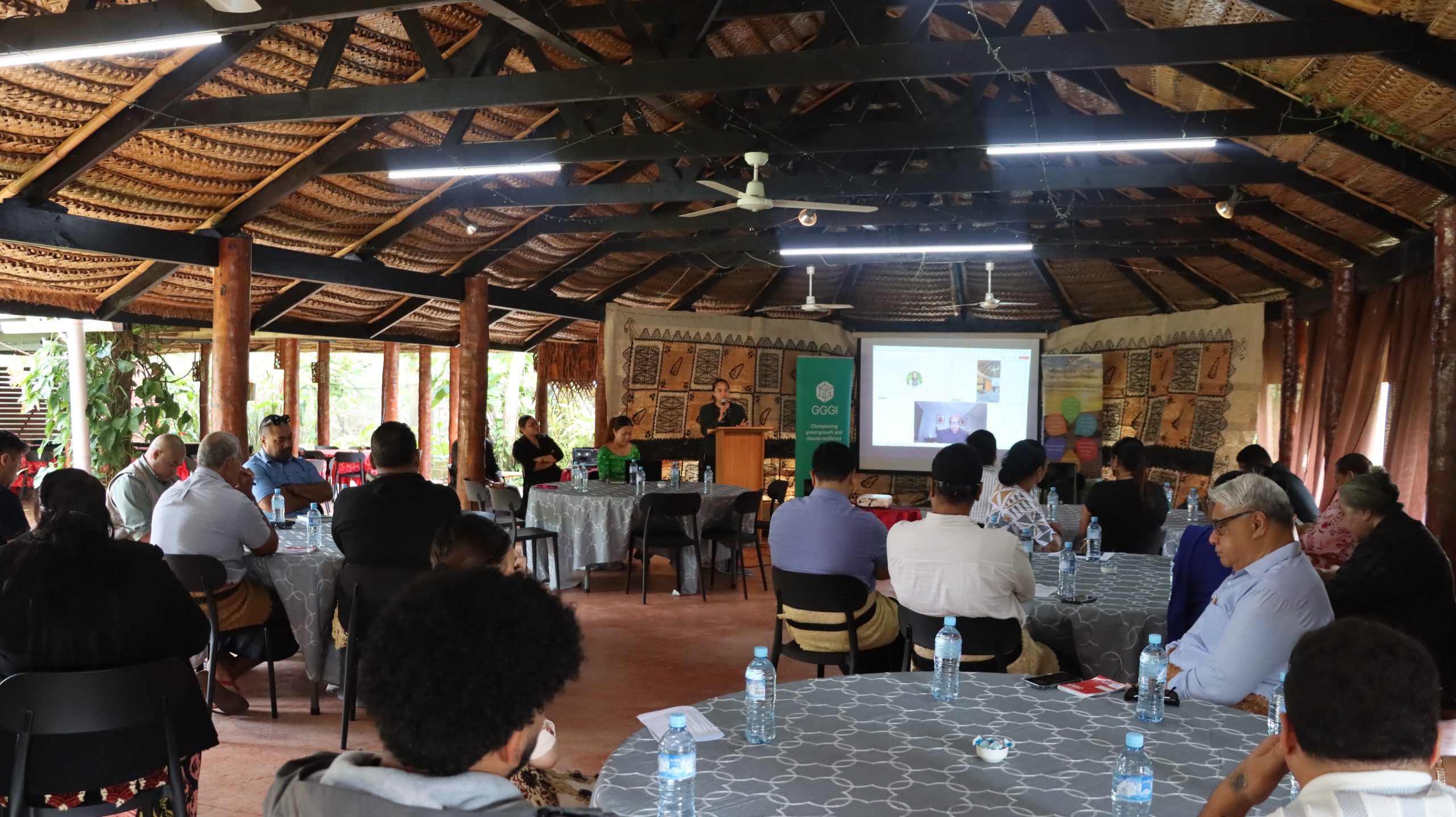
The event was organized in partnership with the Global Green Growth Institute (GGGI)and the United Nations Environment Programme (UNEP), with funding from the Global Environment Facility (GEF). The workshop marked the official start of CBIT Project implementation, following its initial validation workshop held in 2024.
The CBIT Project aims to strengthen Tonga’s institutional and technical capacity to meet its reporting and monitoring obligations under the Enhanced Transparency Framework (ETF) of the Paris Agreement. It supports the development of national systems for greenhouse gas (GHG) inventory management, tracking progress toward the Nationally Determined Contributions (NDCs), and monitoring adaptation actions and support received.
In her opening remarks, Ms. Lu‘isa Tu‘i‘afitu Malolo, Acting Chief Executive Officer for MEIDECC, emphasized that the CBIT Project directly supports Tonga’s commitments under key climate reporting mechanisms — including the National Communications, NDCs, and the upcoming Biennial Transparency Reports (BTRs).
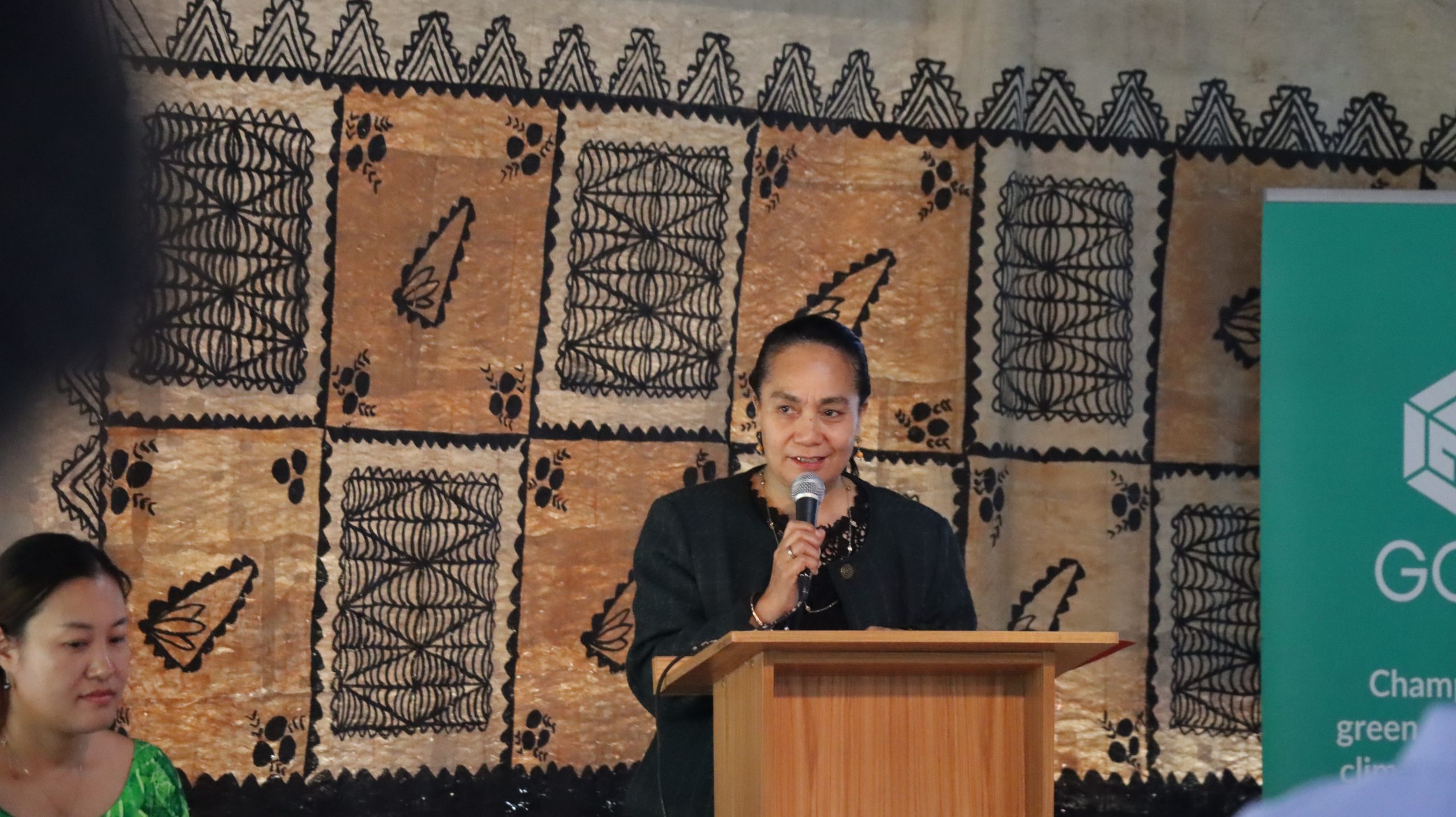
“The CBIT Project aligns with Tonga’s national climate reporting obligations under the Paris Agreement. It is designed to strengthen our institutional and technical capacities to meet enhanced transparency requirements — from improving greenhouse gas inventory systems to tracking progress on NDCs and support received,” Ms. Malolo stated.
“We are grateful to GGGI, UNEP, and GEF for their continued partnership and technical support. Today marks not just the launch of a project but a continuation of Tonga’s efforts to build stronger, more transparent, and accountable climate systems that will guide our policy and planning.”
Ms. Malolo also acknowledged the invaluable contributions of government ministries, state-owned enterprises, civil society organizations, and development partners, expressing gratitude for their continued collaboration and support. She emphasized that achieving transparency and effective climate action is a shared national responsibility, requiring coordination and commitment across all sectors.
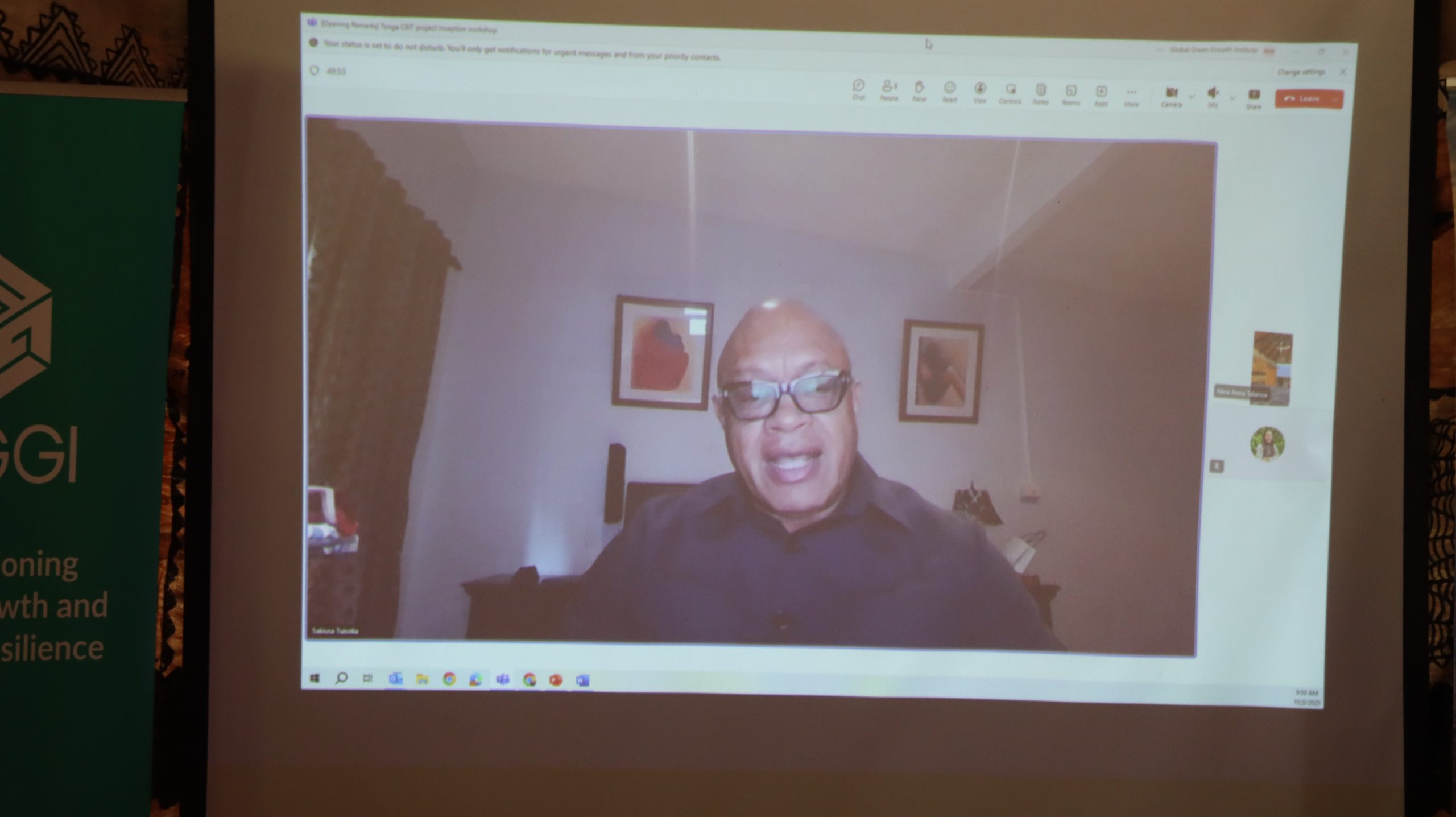
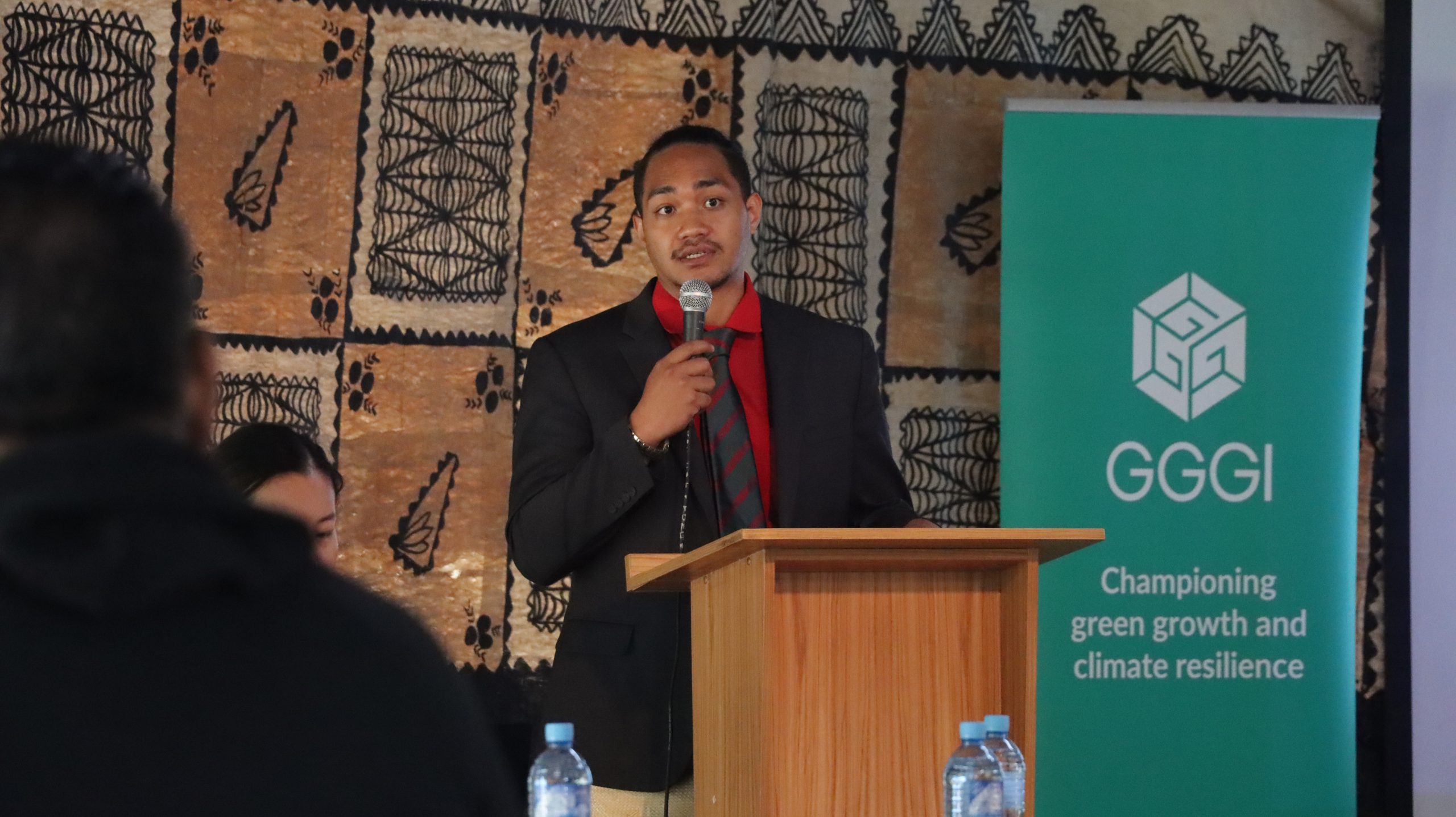
Delivering remarks on behalf of the Partners, Mr. Sakiusa Tuisolia, Regional Director for GGGI, commended Tonga’s leadership in advancing transparency and accountability in climate action:
“This is a proud moment for Tonga and for the Pacific region. The CBIT Project strengthens national systems to build trust, ensure accountability, and enhance coordination across government and society. Transparency is not just about reporting — it’s about trust, good governance, and effective climate action,” said Mr. Tuisolia.
“Over the next four years, the project will help establish data-sharing arrangements, build institutional capacity on greenhouse gas inventories and NDC tracking, and integrate climate transparency into national planning. Through this project, Tonga joins a growing Pacific network of transparency systems that are enabling countries to share knowledge, tools, and lessons learned.”
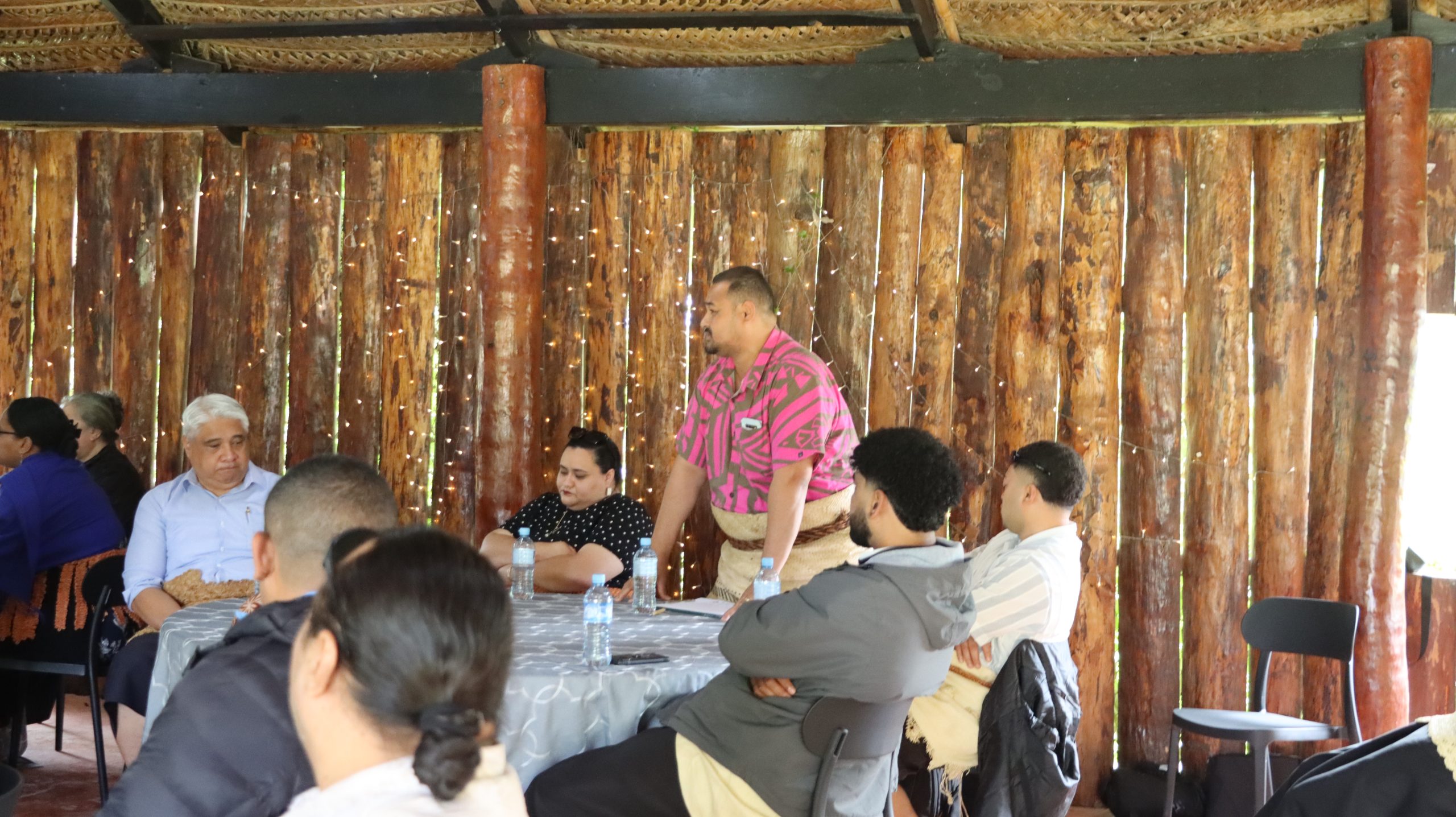
The workshop brought together senior representatives from government ministries, state-owned enterprises, civil society organizations, academia, and development partners. Participants reviewed the project’s objectives, components, governance structure, and implementation timeline, and took part in a baseline capacity assessment to identify current gaps and priorities.
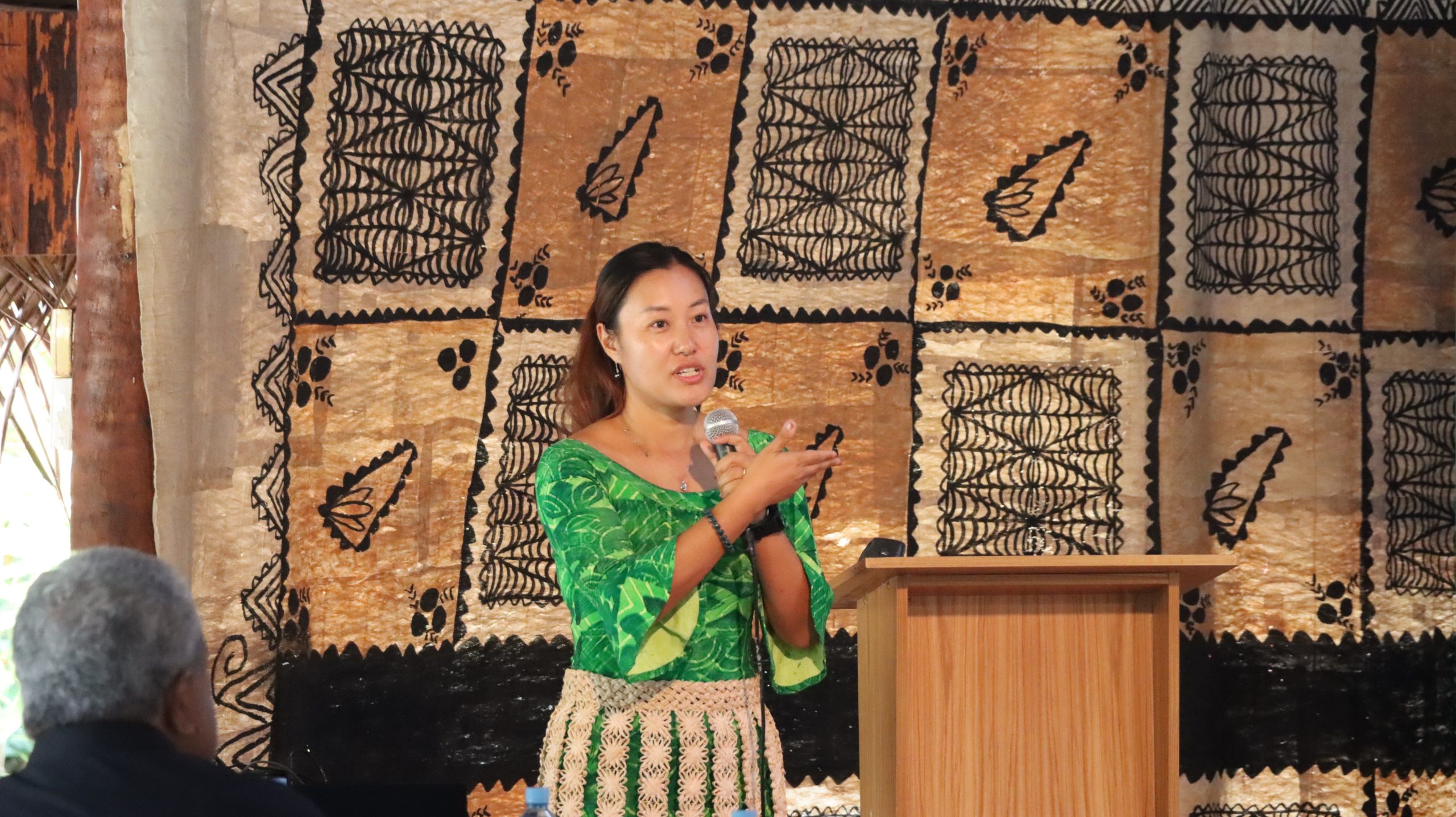
The workshop also featured a detailed presentation by Ms. Mihwa Wi, Senior Programme Officer from the Global Green Growth Institute (GGGI), who outlined the objectives, components, and implementation timeline of the CBIT Project. She guided participants through the project’s governance structure, key deliverables, and baseline capacity assessment, emphasizing how the initiative will strengthen Tonga’s institutional systems for data management, greenhouse gas (GHG) inventory reporting, and NDC tracking. Ms. Wi underscored that the project’s success depends on inclusive collaboration and sustained national ownership, encouraging participants to share insights on their capacity needs and priorities to ensure effective implementation.
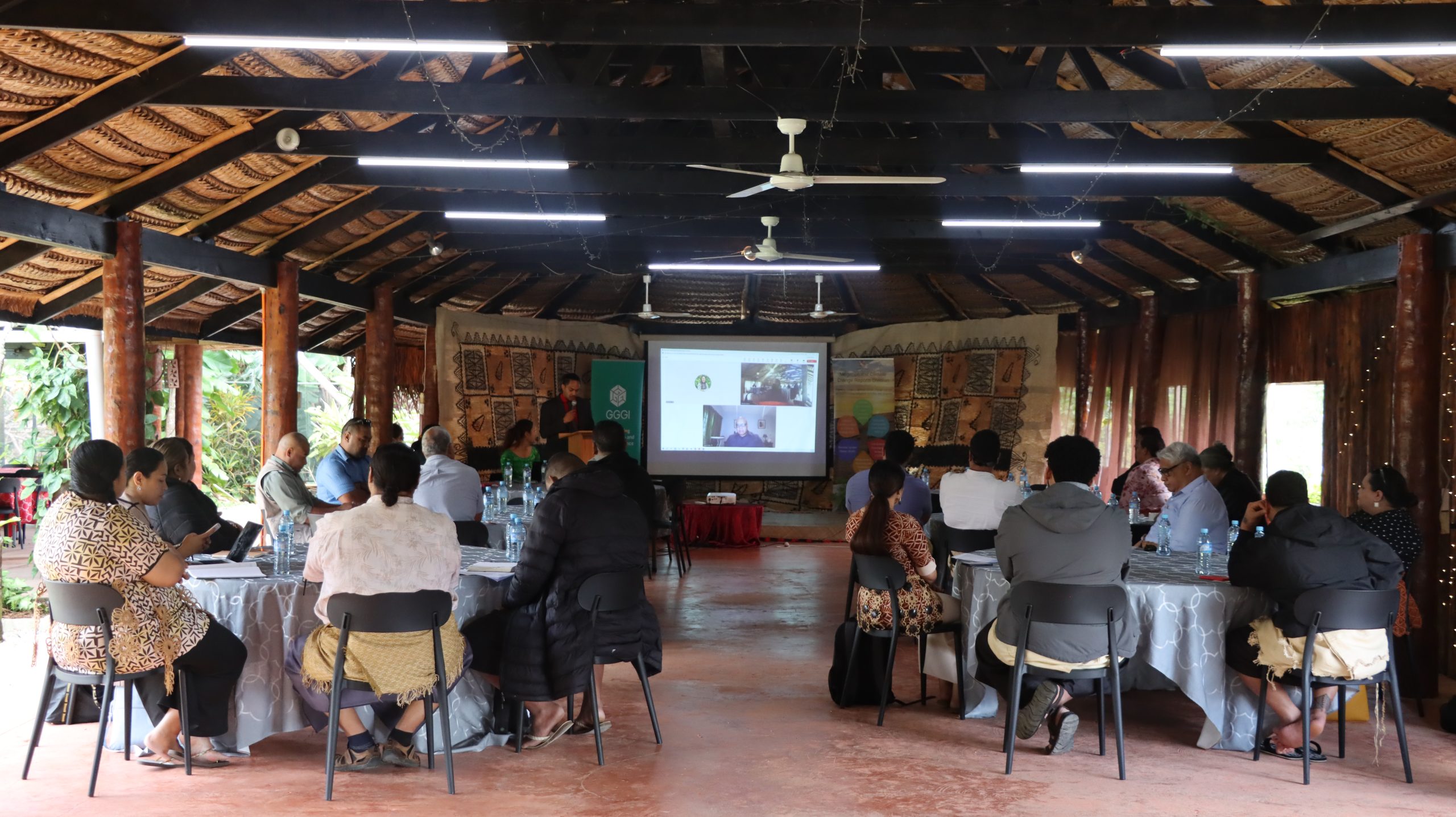
Key outcomes of the workshop included:
- Shared understanding of the CBIT project’s scope, objectives, and national relevance;
- Agreement on project governance arrangements, including the establishment of a Project Steering Committee and Project Management Unit;
- Identification of institutional capacity gaps and data management needs across sectors;
- Strengthened stakeholder ownership and alignment of the CBIT project with Tonga’s NDC, LT-LEDS, JNAP2, and Tonga Strategic Development Framework (TSDF).
The Tonga CBIT Project will run over four years and represents a major step in strengthening national capacity for transparent, evidence-based climate action. It will enable the Government of Tonga to better monitor progress, inform policy decisions, and fulfill its international reporting obligations under the Paris Agreement.